The Death of Us
Nearly twenty-five years in the past, Isabel and Edward were happy. They were married, successful, and starting to consider a family. And then their life was brutally interrupted. A man invaded their home, violated them in the worst ways, and left them to pick up the pieces. "They were thirty years old. They were happy. It sounds banal to say it, but happiness is not a banal state. It is hard-won and precious. It is a thing to be cradled and cared for, like a child." And it was ripped away from them in an instant.
The novel opens in the present day, and Isabel and Edward have come to London to bear witness against the man who ruined their lives. Nigel Wood, infamously known as the South London Invader for his multi-decade reign of terror, has finally been caught, thanks to a fluke DNA match when a relative signed up for one of those family tree sites. Now in his seventies, he's pleaded guilty to a litany of heinous crimes, starting with petty theft and moving into rape and eventually murder, and so the only thing left to determine is his sentence. As part of that process, his victims have been summoned to the court to give statements about the impact his crimes have had on their lives.
The chapters alternate between Edward's point of view in the present day as he and Isabel await their opportunity to share their victim personal statements, and Isabel's point of view beginning at the start of her relationship with Edward in 1990 and gradually moving forward through time. This allows us to see the growth of their relationship from its inception while simultaneously seeing its crumbled state in the present. The flashback chapters carry a consistent and impending dread up until the point of the attack—the couple is happy and oblivious to what is to come, but the reader already knows that a horrifying event approaches, and a reader is torn between a macabre curiosity for the details of what happened while also questioning if one even wants to continue reading a book that tackles such a brutal subject. Meanwhile, the present day chapters see a couple, now no longer together, still unbreakably connected by the event that ultimately broke them. "There would be other lovers," Edward narrates. "Other girlfriends, many people with whom he might be infinitely happy, but he would never care for anybody as he did for Isabel."
It's particularly well-written, and Dean crafts a story that tumbles readers through a litany of emotions, from the buoyed joyful moments of early love to the depths of despair following the attack and its aftermath. Isabel and Edward are both imperfect in many ways, dating to before the seminal moment in their lives and relationship, and they are at times hard to like. But their resiliency and their ability to persevere, imperfectly, makes the novel feel especially real.
It's a rough read, as one might imagine from the subject matter, but smartly crafted and well-composed. Dean was inspired by the true crimes of the Golden State Killer, and there are parallels between the real-life events surrounding that person and her fictional creation. But rather than focus on the crimes, she wanted to home in on the aftermath. "What would happen to a couple who survived that kind of event? Would it bond them together forever? Or would trauma blast them apart?" she writes in a post on HarperReach.com. In this case, it's both.
Her exploration of the difficult scenario made for one of the more intense reads of 2025 for me, but a very good one, solidified by a quality conclusion that brings some hopeful light into a story that is mostly filled with darkness. It's not an enjoyable read, per se, but I would strongly recommend it. Proceed with caution; trigger warnings abound with this one!
The experience of loving a book is not complete until you have turned around to someone and said, “You have got to read this.”Ann Patchett
Based on what I thought of this book, do you have one in mind I'd like? I love suggestions!
Keep going where this sits in the 2025 ranking
 BEST OF 2025#10
Dirtbag Queen
 BEST OF 2025#11
The Names
 BEST OF 2025#12
Heart the Lover
 BEST OF 2025#13
The Silverblood Promise
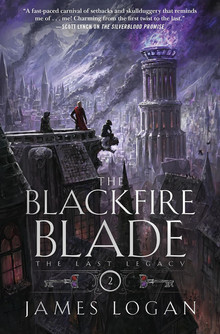 BEST OF 2025#14
The Blackfire Blade
 BEST OF 2025#15
Onyx Storm
 #16
#16The Three Lives of Cate Kay
 #17
#17The Death of Us
 #18
#18Sunrise on the Reaping
 #19
#19I Have Some Questions For You
 #20
#20The Boys in the Light
 #21
#21Scythe
 #22
#22Silver Elite
 #23
#23One Golden Summer
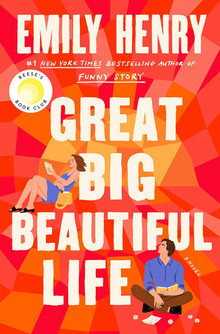 #24
#24