The Song of the Blue Bottle Tree
It's Arkansas, circa 1967. Mercer Ives has returned home from the Vietnam War physically whole but mentally shattered. As his mother, Wreath, tries to gently integrate him back into a life of normalcy, his sisters keep a cautious distance. His father, local preacher John Luther, however, has little patience for the troubles of a son still beset by ghosts (literally) from his time in the jungle.
Genevieve Charbonneau is an orphan, a circus performer, a snake charmer, and a medium for the dead. She's a drifter, and when she happens upon Mercer in a cemetery after he fled the pressures of reintegrating back into his home life and society, the pair find quick solace in each other's company. At Genevieve's insistence, she helps coax Mercer back into his family's good graces, tagging along for the ride.
She quickly comes to realize that more than just Mercer could use some help in the Ives household. Patriarch John Luther commands the home with an iron fist. Despite his daily role as a small town preacher and head of the Church of the Flock of the Good Shepherd, Genevieve (and us as readers) are exposed to a disturbing dark side of John Luther, one that gets progressively darker as the novel goes on. Genevieve finds herself quickly coming to care about the family, and she soon realizes that she has no choice but to help save them from a dire situation with their unhinged husband and father.
The Song of the Blue Bottle Tree is a slice-of-life study of small-town Arkansas in the 1960s, and it's a bit hard to classify. There are elements of the supernatural—both Genevieve and Mercer can see and talk to ghosts—but it is primarily grounded in reality, and if anything it is a treatise on abuse of power and religion to gain dominion over family and parishioners. It touches on the Vietnam War and the country's complicated reaction to it, but that's more of a side topic than a featured focus of the novel. It also explores female identity in 1960s southern society, where early marriage and subservience from a wife to her husband was generally expected. Against those expectations, Genevieve is a controversial firebrand, and her life's circumstances have made her far more independently-minded than societal norms of the time. Her abandonment as a child has made her both fearful and desirous of family connections, and the Ives present her with a potential future she has not considered for a very long time. It makes for an interesting lead character, but also one that never fully finds her footing on a clear character journey.
John Luther, on the other hand, is almost comically absurd in the depths of his depravity. This isn't someone who is simply brainwashed by interpretation of religion that leads to bad behavior; this is someone who is inherently evil, and clearly uses religion as an excuse for his abhorrent behavior. More nuance with his character would have added a layer of complexity to the novel that was missing.
The story didn't feel entirely certain of what it wanted to be, or where it wanted to place its focus. The ghosts, the snakes—and there are a lot of them, more than in Lost Man's Lane, even!—the brief detours down Mercer's PTSD from the war or Genevieve's scarring from her childhood abandonment: all of that ends up feeling more like space-filler than critical components essential to the story. Yes, they help to add some depth to the characters, but without any meaningful tie-in to the plot of the novel, I was left wanting more of an integrated approach. Contrast that with what Chris Whitaker was able to do in All the Colors of the Dark or We Begin at the End—every character's experience and personal trauma plays a role in the overall story, elevating our connection with the characters because we now better understand their mindset and motivations for acting the way they do. That connection to the plot was missing here.
Without those side stories being more fully integrated, what we're left with is cringe-worthy behavior from a depraved villain and mostly a waiting game to see if (and how) he eventually meets his desired demise, paired with a smattering of underdeveloped character sub-stories. It held my interest, but this was just slightly above average.
The experience of loving a book is not complete until you have turned around to someone and said, “You have got to read this.”Ann Patchett
Based on what I thought of this book, do you have one in mind I'd like? I love suggestions!
Keep going where this sits in the 2026 ranking
 #51
#51Sublimation
 #52
#52Read Your Mind
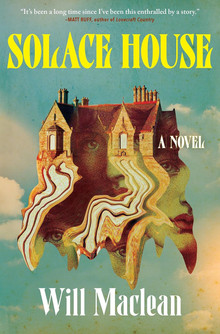 #53
#53Solace House
 #54
#54The Amateur
 #55
#55Broken Dove
 #56
#56Meredith, Alone
 #57
#57The Ending Writes Itself
 #58
#58The Song of the Blue Bottle Tree
 #59
#59The Book Witch
 #60
#60Life, and Death, and Giants
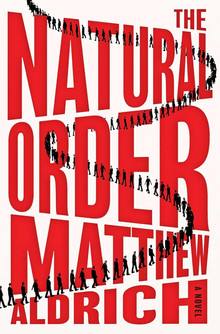 #61
#61The Natural Order
 #62
#62Under the Falls
 #63
#63Crux
 #64
#64Crooks
 #65
#65